
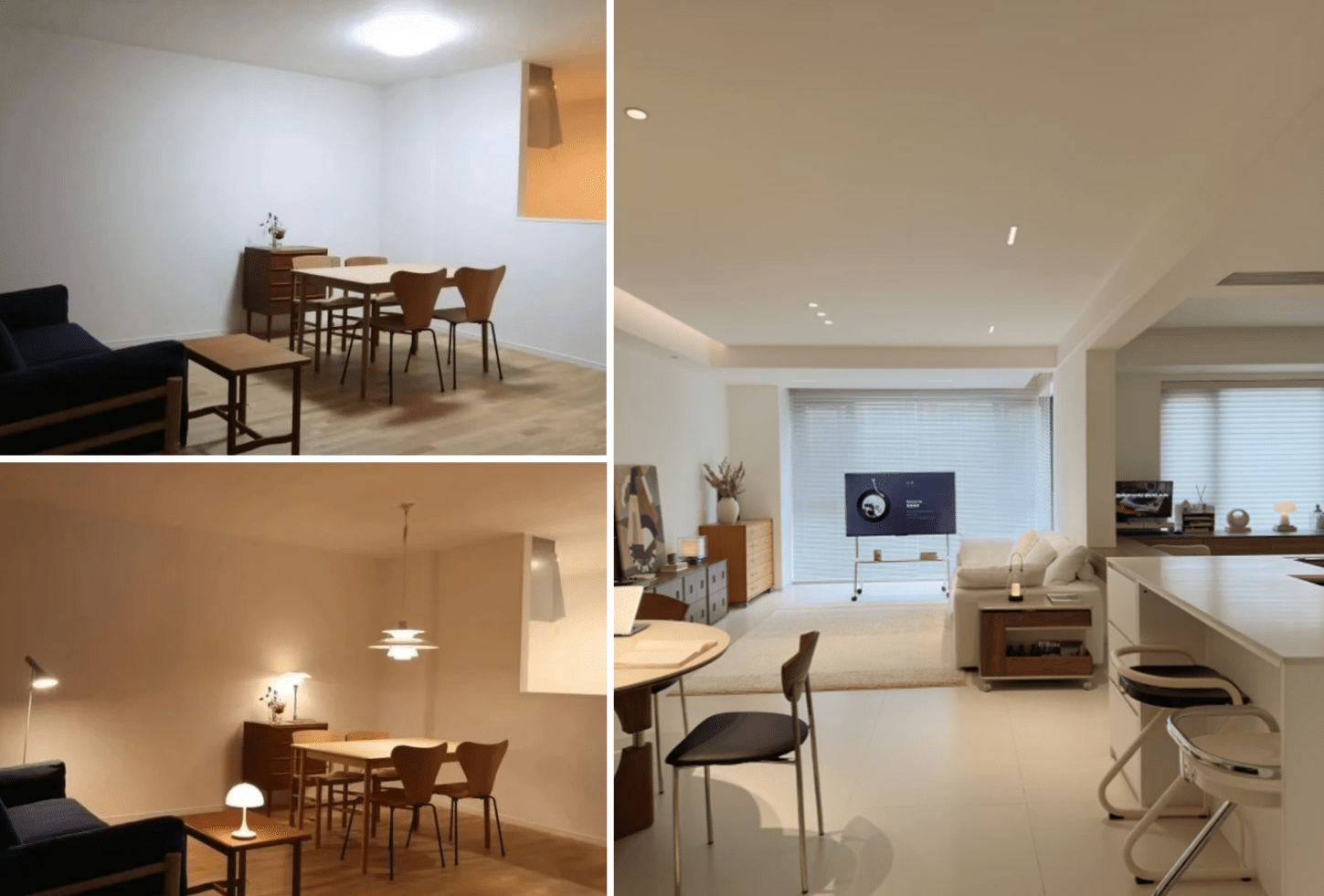
1.Core Challenges: Why Lighting Fixtures Fail Fast in Southeast Asia (Coastal & Tropical Environments)
Unlike dry inland regions, tropical and coastal properties face three harsh conditions that drastically shorten a lighting fixture’s lifespan:
。High Humidity & Moisture Ingress: Long-term excessive moisture continuously seeps into the fixture body, causing driver failure and LED bead oxidation.
。Salt Spray Corrosion: Coastal salt ions adhere to metal structures, accelerating rust, paint peeling, and corrosion.
。Extreme Heat & Thermal Stress: Prolonged high-temperature operation places immense thermal pressure on fixtures, causing LED lumen depreciation (light decay) to be twice as fast as in normal environments.

Takeaway: For tropical residential projects, selection cannot rely solely on aesthetics or basic brightness. Waterproof, anti-corrosive, and thermal-dissipation structures must come first.
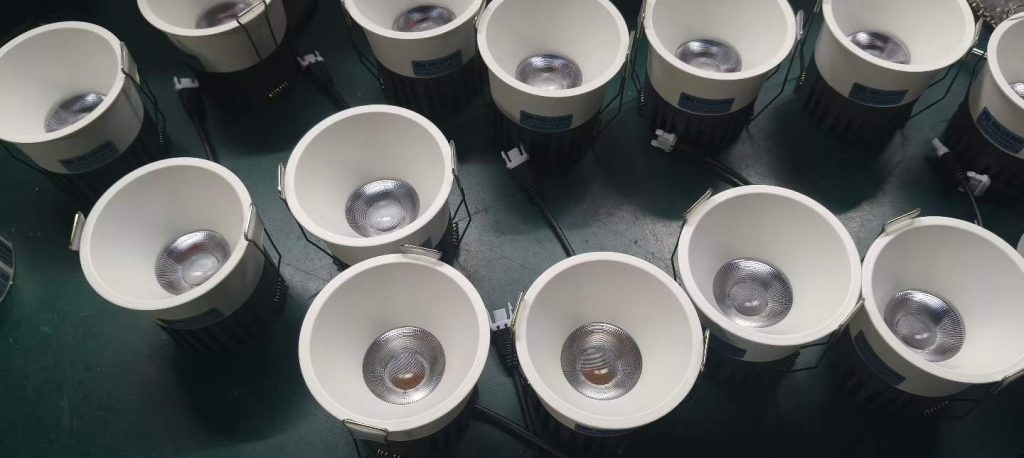
2.Essential Technical Standards for Tropical Residential Lighting
(1) IP Rating (Ingress Protection) Selection:
。Dry Areas (Living rooms, bedrooms): IP40 is sufficient for dust resistance and daily use.
。Wet Areas (Kitchens, bathrooms, balconies): IP54 or above is mandatory to effectively block moisture, steam, and oil fumes.
。Outdoor & Facades: IP65 is strongly recommended for heavy rain and salt-spray resistance.
(2) Material Selection Standards:
。Avoid cheap sheet metal or recycled plastic fixtures. Prioritize full-aluminum bodies + sealing rubber rings + high-transmittance acrylic diffusers. These provide fast heat dissipation, oxidation resistance, and long-term durability in high-temp/high-humidity climates.
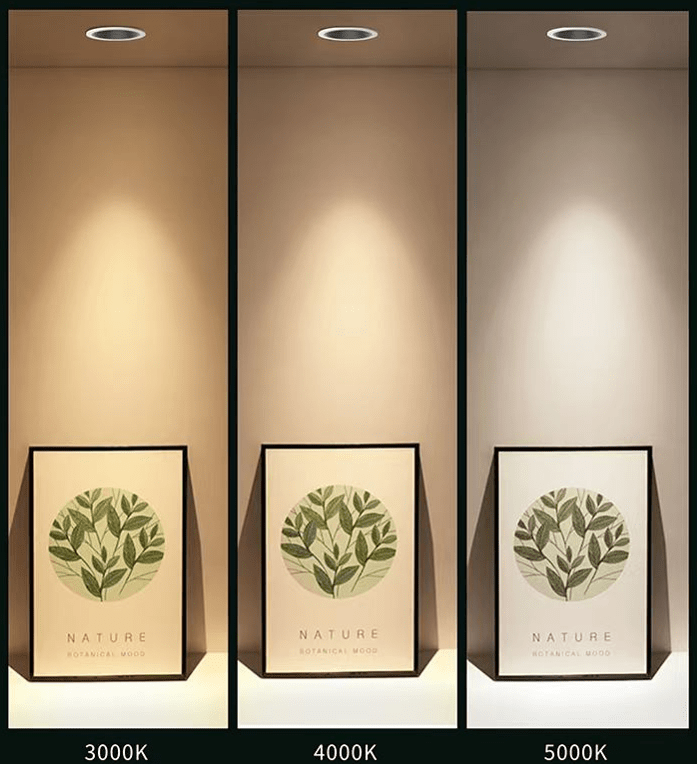
(3) Color Temperature & CRI Configuration:
。Zone-based Lighting: Use 3000K (Warm White) for bedrooms and relaxation zones to create a cozy, glare-free atmosphere; use 4000K (Neutral White) for kitchens, corridors, and functional zones for clear visibility.
Color Rendering Index (CRI): Ensure CRI $\ge$ 90 for key residential spaces to accurately restore the true texture of interior finishes.
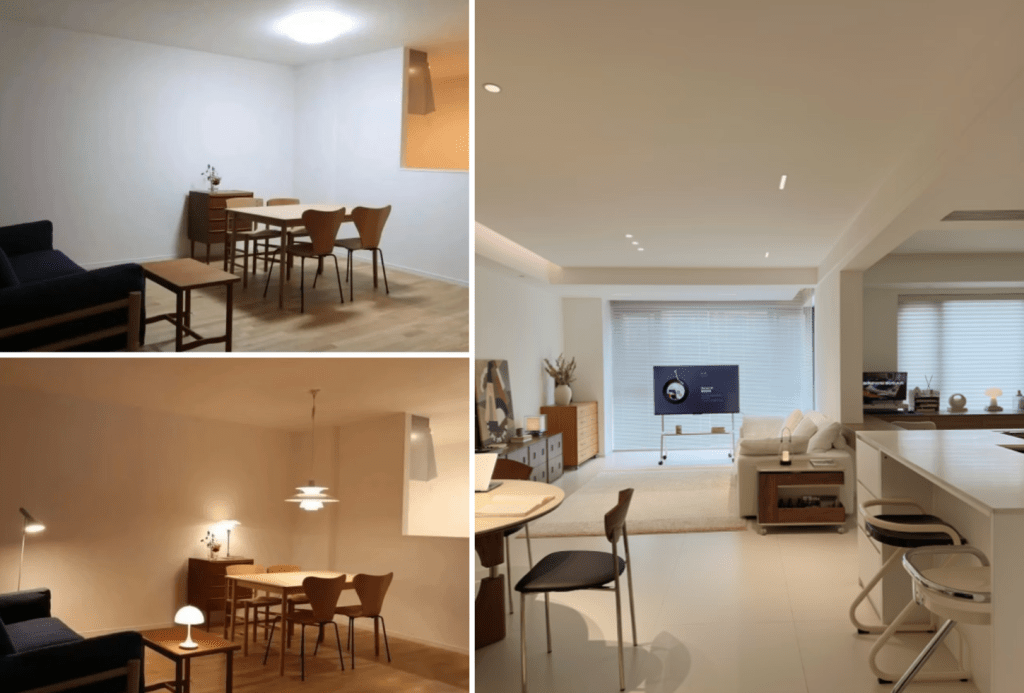
3.Mainstream Lighting Trends: Magnetic/Recessed Track Lighting vs. Traditional Chandeliers
In modern Southeast Asian residential projects, lighting design has evolved from single-style setups to dynamic, layered combinations. Rather than eliminating traditional fixtures, the focus is on material upgrades and spatial zoning:
。Where to Use Modern Chandeliers (Living & Dining Focal Points):
Chandeliers still hold an irreplaceable position in high-end villas, grand living rooms, and formal dining areas due to their strong aesthetic impact.
Tropical Sourcing Note: For hot and humid climates, always prioritize chandeliers with anti-corrosive finishes (such as electroplated or powder-coated aluminum/brass) and sealed lamp holders to prevent rust and mold buildup. Avoid heavy, complex iron structures that trap moisture.
。Where to Use Minimalist & Track Lighting (Bedrooms & Functional Zones):
For bedrooms, corridors, and open-concept living spaces, minimalist recessed downlights, track lights, and slim ceiling lights provide clean lines, efficient heat dissipation, and reduced moisture accumulation.
The Ultimate Project Strategy:
。For Luxury Villas: Use a statement decorative chandelier as the visual centerpiece in the main foyer or dining room, balanced with perimeter anti-glare spotlights for functional illumination.
4.Common Pitfalls to Avoid in Tropical Lighting Sourcing
。Pitfall 1: Focusing only on low price while ignoring sealing structures, leading to massive moisture-induced failures shortly after installation.
。Pitfall 2: Using a single color temperature throughout the house, causing bedrooms to feel harsh or kitchens to look dim and depressing.
。Pitfall 3: Using indoor-grade fixtures outdoors, resulting in severe salt-spray corrosion and rusting within half a year.
FAQ (Frequently Asked Questions)
Pitfall 1: Ignoring Environmental Sealing
- Choosing indoor-grade fixtures with zero moisture protection for semi-outdoor or high-humidity zones (like balconies and kitchens), leading to premature short circuits regardless of the fixture type.
Pitfall 2: Overlooking Maintenance Accessibility
- Selecting overly complex, hard-to-reach fixtures for high-ceiling public areas without considering the long-term cleaning and replacement costs for property management.
Pitfall 3: Inappropriate Color Temperature Matching
- Using a single, uniform color temperature across all functional areas instead of zoning (e.g., warm light for relaxation, neutral white for tasks), which affects the overall project atmosphere.
Pitfall 4: Mismatching Lamp Styles with Project Positioning
- Ignoring the architectural style and budget tier of the development—such as failing to balance statement decorative chandeliers with functional ambient lighting to achieve the best visual and cost-effective result.
💡
“Looking for durable, project-grade lighting solutions tailored for Southeast Asian markets? Contact our engineering team today for bulk catalogs, factory-direct pricing, and customized lighting solutions.