• Title: The Ultimate Home Lighting Guide: How to Choose Lights for Every Room (SG, MY, TH)

    90% of home decoration hidden pitfalls come from bad lighting!

    You spend a fortune on hard furnishings, but buy lights randomly. In the end, your home either looks depressingly yellow or as bright and cold as an office.

    We’ve put together a complete lighting guide—from core parameters to all 7 home spaces—specially tailored for tropical and humid environments. Beginners can just copy this formula!

    Bookmark this now and refer to it when choosing your lights 👇

    ✅ 1. Master 3 Core Parameters to Avoid Mistakes

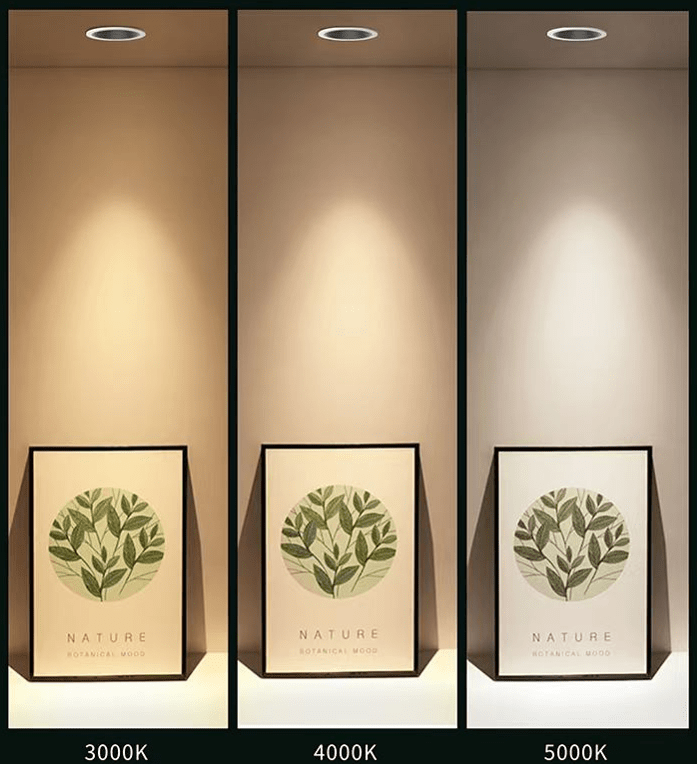
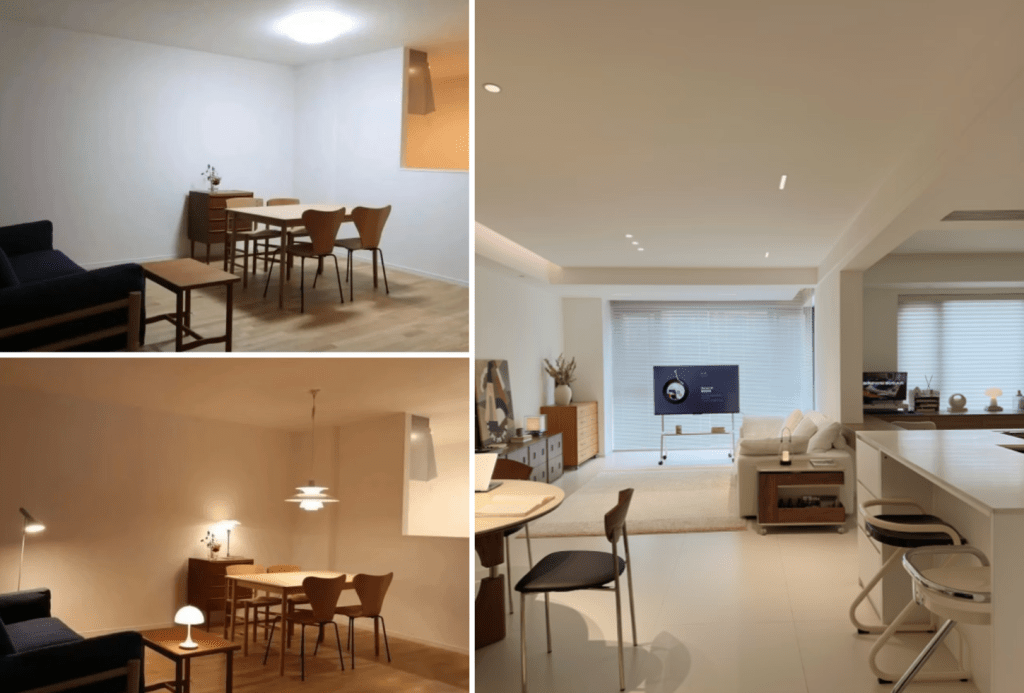
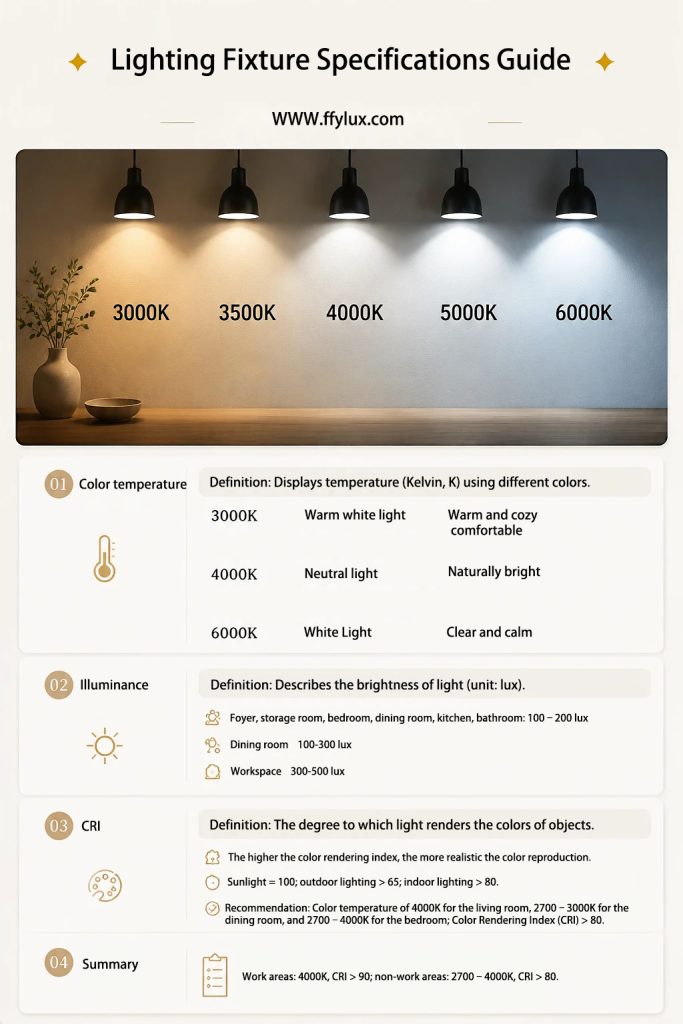
    • Color Temperature: Use warm light (2700K-3000K) for bedrooms, 3500K-4000K for living rooms, and above 4000K for study rooms and kitchens.
    • Color Rendering Index (CRI): A rating of $Ra \ge 80$ is enough for daily use; choose $Ra \ge 95$ if you value high-end texture and true colors.
    • Illuminance (Lux): Standard spaces need 100-200 Lux, while work areas require 300 Lux or more to protect your eyesight.
    ✅ 2. Choose the Right Fixture for the Right Space

    • Use ceiling lights or pendant lights for main ambient lighting.
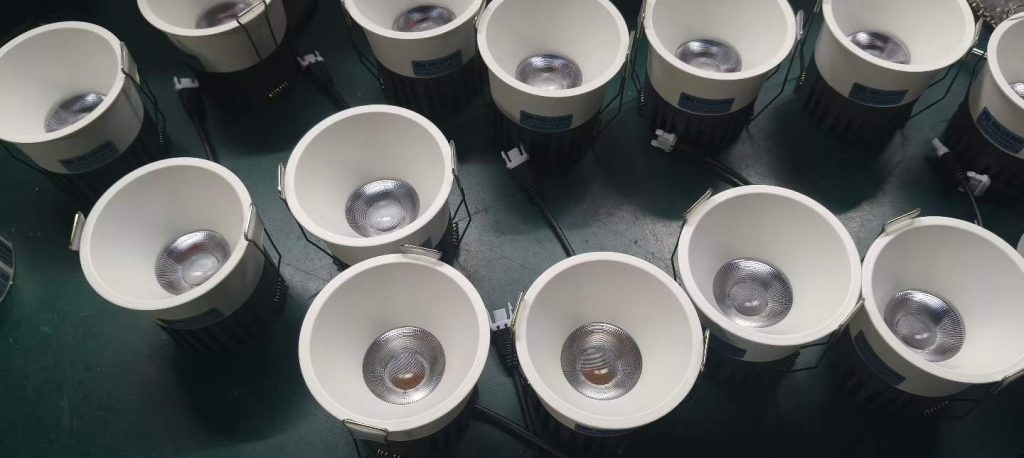
    • Use downlights for base lighting.
    • Use spotlights to highlight key zones and create atmosphere.
    • Don’t blindly follow the trend of “magnet/track lighting without main lights”—choose what actually fits your ceiling height and layout. (As a direct factory, we cover all categories to suit your needs!)
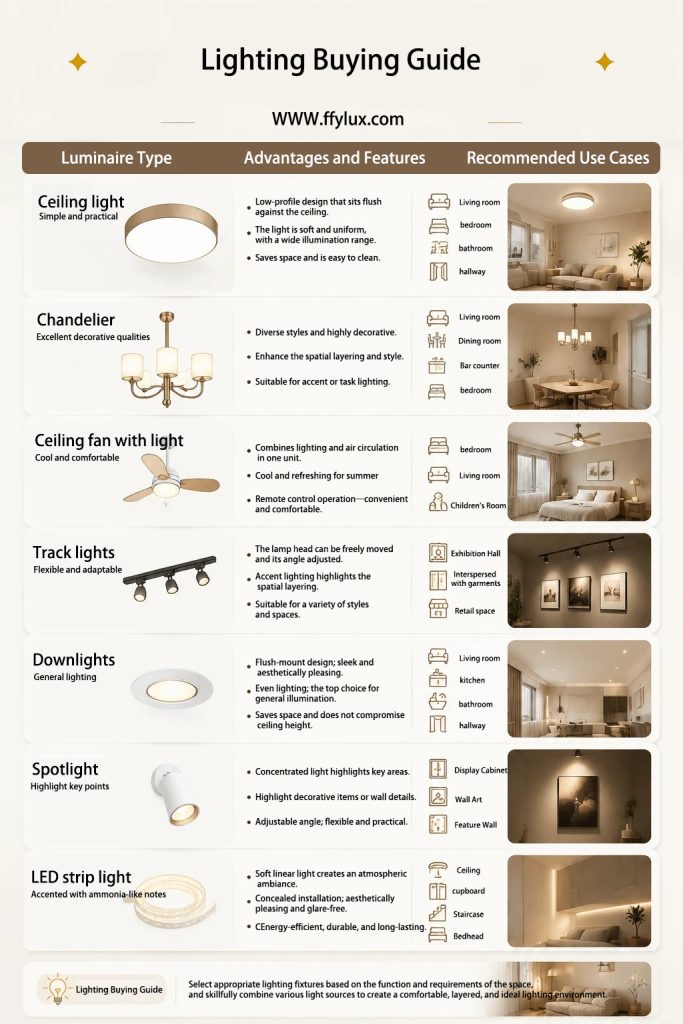
    ✅ 3. Room-by-Room Lighting Answers (Ready to Copy)

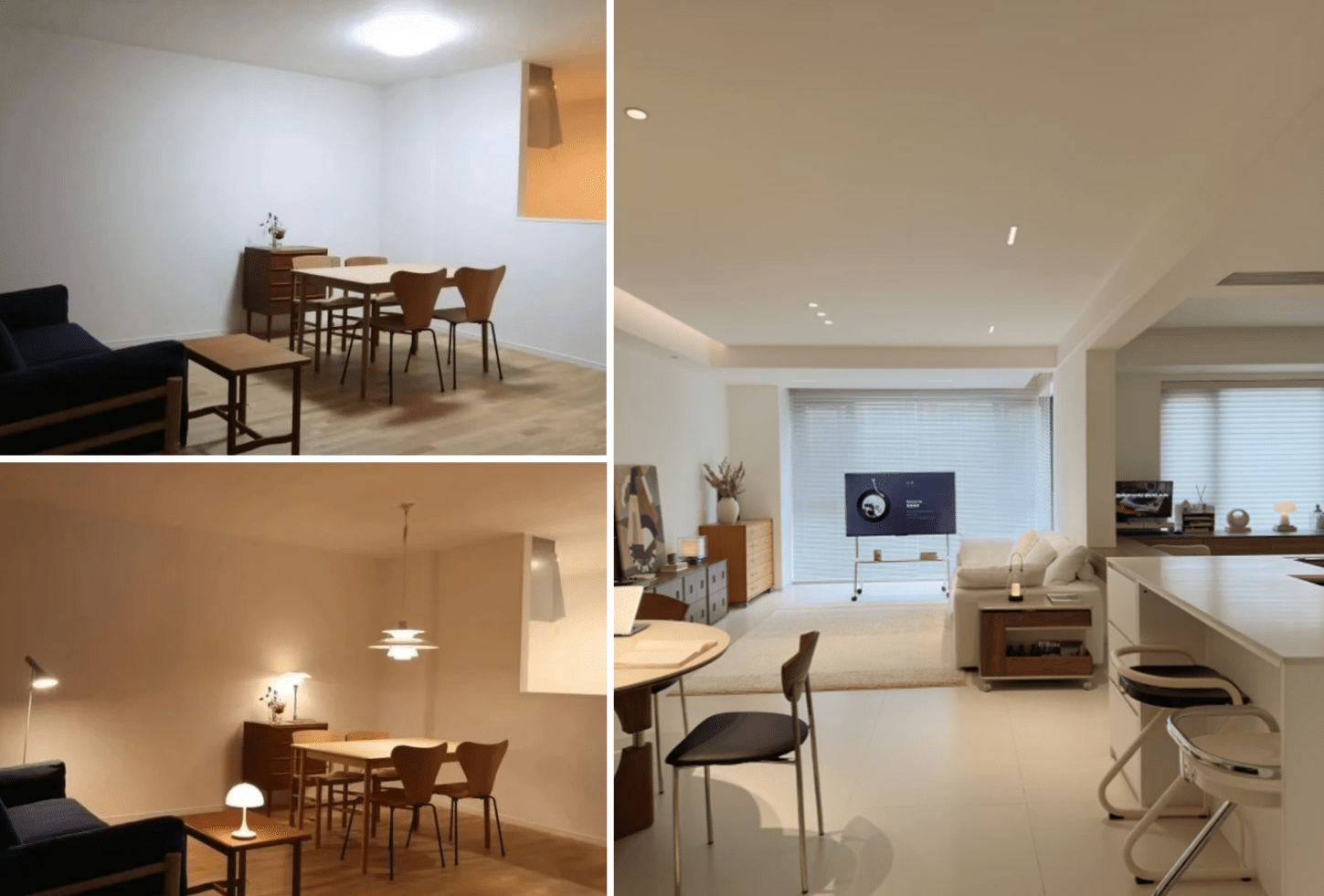
    • Living Room: Avoid pointing spotlights directly at the sofa, as it causes eye strain while watching TV. Layered lighting creates a better ambiance (a combination of chandeliers, ceiling lights, and downlights/spotlights works great).
    • Dining Room: Hang a 3000K warm-light pendant light 70-80 cm above the dining table to make food look more appetizing.
    • Kitchen: Combine a main ceiling light with under-cabinet lighting. This eliminates shadows in tropical kitchens and makes food prep much smoother.
    • Bedrooms: Avoid harsh, cheap light sources. Add bedside reading lights or wall sconces for comfortable, glare-free middle-of-the-night navigation.
    • Bathrooms (Important for the Tropics): Due to high humidity, always choose waterproof and anti-fog fixtures. Place vanity lights on both sides of the mirror to eliminate shadows when grooming.

    As a lighting manufacturer with nearly 10 years of experience, these insights come from practical solutions provided to hundreds of homes.

    From downlights, spotlights, and ceiling lights to decorative pendant lights, we offer full-category factory-direct supply. Feel free to ask if you need a whole-house lighting design layout or bulk solutions ~

    What lighting mistakes have you made during your home renovation? Drop a comment below 👇

    WWW.FFYLUX.COM
  • How to Choose Lighting Fixtures for Residential Projects in Hot & Humid Southeast Asian Climates

    How to Choose Lighting Fixtures for Residential Projects in Hot & Humid Southeast Asian Climates

    1.Core Challenges: Why Lighting Fixtures Fail Fast in Southeast Asia (Coastal & Tropical Environments)

    2.Essential Technical Standards for Tropical Residential Lighting

    (1) IP Rating (Ingress Protection) Selection:

    Dry Areas (Living rooms, bedrooms): IP40 is sufficient for dust resistance and daily use.

    Wet Areas (Kitchens, bathrooms, balconies): IP54 or above is mandatory to effectively block moisture, steam, and oil fumes.

    Outdoor & Facades: IP65 is strongly recommended for heavy rain and salt-spray resistance.

    (2) Material Selection Standards:

    。Avoid cheap sheet metal or recycled plastic fixtures. Prioritize full-aluminum bodies + sealing rubber rings + high-transmittance acrylic diffusers. These provide fast heat dissipation, oxidation resistance, and long-term durability in high-temp/high-humidity climates.

    (3) Color Temperature & CRI Configuration:

    Zone-based Lighting: Use 3000K (Warm White) for bedrooms and relaxation zones to create a cozy, glare-free atmosphere; use 4000K (Neutral White) for kitchens, corridors, and functional zones for clear visibility.

    Color Rendering Index (CRI): Ensure CRI $\ge$ 90 for key residential spaces to accurately restore the true texture of interior finishes.

    3.Mainstream Lighting Trends: Magnetic/Recessed Track Lighting vs. Traditional Chandeliers

    In modern Southeast Asian residential projects, lighting design has evolved from single-style setups to dynamic, layered combinations. Rather than eliminating traditional fixtures, the focus is on material upgrades and spatial zoning:

    。Where to Use Modern Chandeliers (Living & Dining Focal Points):

    Chandeliers still hold an irreplaceable position in high-end villas, grand living rooms, and formal dining areas due to their strong aesthetic impact.

    Tropical Sourcing Note: For hot and humid climates, always prioritize chandeliers with anti-corrosive finishes (such as electroplated or powder-coated aluminum/brass) and sealed lamp holders to prevent rust and mold buildup. Avoid heavy, complex iron structures that trap moisture.

    。Where to Use Minimalist & Track Lighting (Bedrooms & Functional Zones):

    For bedrooms, corridors, and open-concept living spaces, minimalist recessed downlights, track lights, and slim ceiling lights provide clean lines, efficient heat dissipation, and reduced moisture accumulation.

    The Ultimate Project Strategy:

    。For Luxury Villas: Use a statement decorative chandelier as the visual centerpiece in the main foyer or dining room, balanced with perimeter anti-glare spotlights for functional illumination.

    4.Common Pitfalls to Avoid in Tropical Lighting Sourcing

    Pitfall 1: Focusing only on low price while ignoring sealing structures, leading to massive moisture-induced failures shortly after installation.

    Pitfall 2: Using a single color temperature throughout the house, causing bedrooms to feel harsh or kitchens to look dim and depressing.

    Pitfall 3: Using indoor-grade fixtures outdoors, resulting in severe salt-spray corrosion and rusting within half a year.

    FAQ (Frequently Asked Questions)

    Pitfall 1: Ignoring Environmental Sealing

    • Choosing indoor-grade fixtures with zero moisture protection for semi-outdoor or high-humidity zones (like balconies and kitchens), leading to premature short circuits regardless of the fixture type.

    Pitfall 2: Overlooking Maintenance Accessibility

    • Selecting overly complex, hard-to-reach fixtures for high-ceiling public areas without considering the long-term cleaning and replacement costs for property management.

    Pitfall 3: Inappropriate Color Temperature Matching

    • Using a single, uniform color temperature across all functional areas instead of zoning (e.g., warm light for relaxation, neutral white for tasks), which affects the overall project atmosphere.

    Pitfall 4: Mismatching Lamp Styles with Project Positioning

    • Ignoring the architectural style and budget tier of the development—such as failing to balance statement decorative chandeliers with functional ambient lighting to achieve the best visual and cost-effective result.

    💡

    “Looking for durable, project-grade lighting solutions tailored for Southeast Asian markets? Contact our engineering team today for bulk catalogs, factory-direct pricing, and customized lighting solutions.